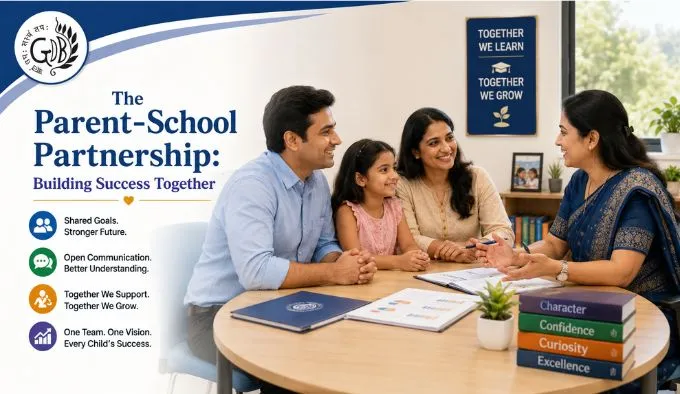
The greatest lessons children learn rarely come from a single place. They absorb values at home, develop knowledge in school, and shape their personalities through every interaction they experience along the way. When parents and educators move in the same direction, children can gain something far more valuable than academic excellence. They can gain confidence, emotional security, and the ability to thrive in every stage of life. This powerful collaboration creates an environment where learning extends beyond classrooms and becomes a meaningful part of everyday life.
This blog highlights why a strong parent-school partnership is one of the most important foundations of a child’s success. It also explores how low-cost ICSE schools in Kolkata like GD Birla Centre for Education nurture this relationship by encouraging meaningful communication, shared responsibility, and holistic development that prepares students for a bright future.
Why the Parent-School Partnership Shapes Every Child’s Future
Education is not a one-person responsibility. It is a shared journey where schools provide guidance, parents offer unwavering support, and students grow through the combined efforts of both. Research consistently shows that children whose parents actively participate in their education often perform better academically, demonstrate stronger social skills, and develop greater emotional resilience.
However, a true collaboration goes far beyond attending annual meetings or signing report cards. It involves trust, open communication, mutual respect, and a shared commitment to helping every child realise their full potential. Here’s why parent-school partnership is essential in shaping a child’s future.
Create a Consistent Learning Environment
Children flourish when they receive the same encouragement both at home and at school. Therefore, consistency helps them understand expectations, develop discipline, and build positive habits that last for years.
When parents stay informed about classroom learning, they can reinforce important concepts through everyday conversations, reading habits, creative activities, and problem-solving experiences at home. Likewise, teachers gain valuable insights into each child’s personality, strengths, and challenges through regular parental interaction. This seamless connection can create a stable atmosphere where children feel secure and motivated to learn.
Build Confidence through Positive Communication
A child’s confidence grows when parents and teachers celebrate progress together instead of focusing only on marks. Simple conversations about achievements, classroom participation, creativity, leadership, or kindness can make children feel valued beyond academics. Constructive communication can also help identify learning gaps early. This allows parents and teachers to work together before small concerns become major challenges.
Regular dialogue creates trust, reduces misunderstandings, and keeps everyone focused on one common goal: the child’s overall development.
Support Emotional Well-being
Modern education recognises that emotional health can directly influence academic performance. Children experience stress, peer pressure, changing friendships, and growing expectations throughout their school years. When schools and parents maintain open communication, they can quickly recognise behavioural changes, emotional struggles, or confidence issues. In such situations, early support can ensure children receive guidance before these challenges affect their learning or mental well-being. Students who feel emotionally supported are more likely to participate actively, embrace new opportunities, and overcome setbacks with resilience.
Encourage Independent and Responsible Learners
Successful parenting and effective teaching share one important objective: raising responsible individuals. Instead of solving every problem for children, parents and teachers can encourage them to think independently, make informed decisions, and learn from their experiences. This balanced approach can develop accountability, critical thinking, and problem-solving abilities that remain valuable throughout adulthood. Children can gradually become confident learners who understand that mistakes are opportunities for growth instead of reasons to give up.
Strengthen Character Beyond Academics
Academic excellence certainly matters, but character defines lifelong success. Values such as honesty, empathy, respect, discipline, gratitude, and compassion become stronger when children witness the same principles at home and in school. A united approach can help students understand that education is about becoming responsible citizens as much as achieving excellent grades. These qualities prepare children to contribute positively to society while building meaningful personal and professional relationships.
Prepare Students for a Rapidly Changing World
Today’s learners need far more than textbook knowledge. They require communication skills, creativity, adaptability, digital literacy, collaboration, and emotional intelligence. Parents who stay engaged with school initiatives can better understand changing educational approaches and actively support these evolving learning experiences at home.
Schools, in turn, benefit from parental feedback that helps strengthen student-centred learning environments. Together, they prepare children not just for examinations but for future careers and lifelong learning.
How GD Birla Centre for Education Strengthens Parent-School Collaboration
A meaningful parent-school relationship becomes truly effective when a school encourages transparency, participation, and continuous engagement. GD Birla Centre for Education believes that education succeeds when families and educators work as trusted partners throughout a child’s learning journey.
The institution promotes holistic education by combining academic excellence with character building, leadership development, co-curricular activities, sports, cultural exposure, and value-based learning. Regular communication, interactive school initiatives, and an inclusive educational environment help parents remain actively involved in their children’s progress while supporting every stage of their personal growth. This collaborative philosophy allows students to develop confidence, curiosity, responsibility, and a genuine love for learning.
Final Words
Every successful student stands on the foundation of a strong partnership between home and school. When parents and educators communicate openly, respect each other’s roles, and remain committed to a child’s overall growth, learning can become richer, more meaningful, and far more rewarding. Academic success can naturally follow when children feel supported, understood, and motivated every step of the way.
Give your child the advantage of an education built on trust, collaboration, and excellence. At GD Birla Centre for Education, every learning experience is designed to motivate curiosity, strengthen character, and encourage lifelong success through a meaningful partnership between parents and educators. So, don’t wait anymore and connect with us today for Ashok Hall Group of Schools admission.