A child’s greatest breakthrough often begins with a small change in words. When “I can’t do this” becomes “I’ll try again,” a new possibility opens up. This shift reflects more than a positive attitude; it shows how children begin to trust their abilities, face challenges and discover their potential. Confidence does not develop overnight. It grows through encouragement, meaningful experiences, supportive relationships and opportunities to learn from mistakes.
Research supports the importance of helping children take ownership of their learning. According to the Education Endowment Foundation (EEF), metacognition and self-regulation strategies can lead to an average of eight additional months of academic progress. These strategies teach students to plan, monitor and evaluate their learning, helping them become more independent learners.
This blog highlights practical ways to build confidence in young learners and explores how G.D. Birla Centre for Education encourages academic growth, behavioural development and strong values through a supportive educational environment.
How to Build Confidence in Young Learners
Confidence is not about always getting the right answer or being the best in the classroom. It is about believing that effort, practice and guidance can help a child improve. Here’s how to build confidence in young learners.
• Celebrate Effort Alongside Achievement
Children need to understand that progress matters as much as results. When parents and teachers recognise persistence, preparation, and improvement, students learn to value the learning process instead of focusing only on marks.
For example, instead of saying, “You are naturally good at Maths,” try saying, “You worked carefully and found a way to solve that problem.” Such feedback can help children recognise the actions behind their progress and encourage them to keep practising when a topic becomes difficult.
• Make Mistakes a Part of Learning
Fear of failure can stop children from asking questions, sharing ideas or trying unfamiliar activities. A classroom that treats mistakes as opportunities to learn can help students become more willing to take healthy academic risks.
Teachers can support this process by discussing errors without embarrassment and guiding students towards better solutions. At home, parents can also share how they have learned from their own mistakes. These simple experiences show children that setbacks are a normal part of growth, not proof of inability.
• Encourage Small Goals and Independent Thinking
Large tasks can feel overwhelming, particularly when children are unsure where to begin. Breaking assignments into smaller steps gives them a clear path to progress and lets them recognise each achievement along the way.
Students can start by setting a realistic daily goal, checking their progress and reflecting on what worked. The EEF also highlights the value of teaching learners to plan, monitor and evaluate their work. These habits can strengthen independent learning while helping children approach difficult tasks with greater confidence.
• Create Opportunities Beyond Academics
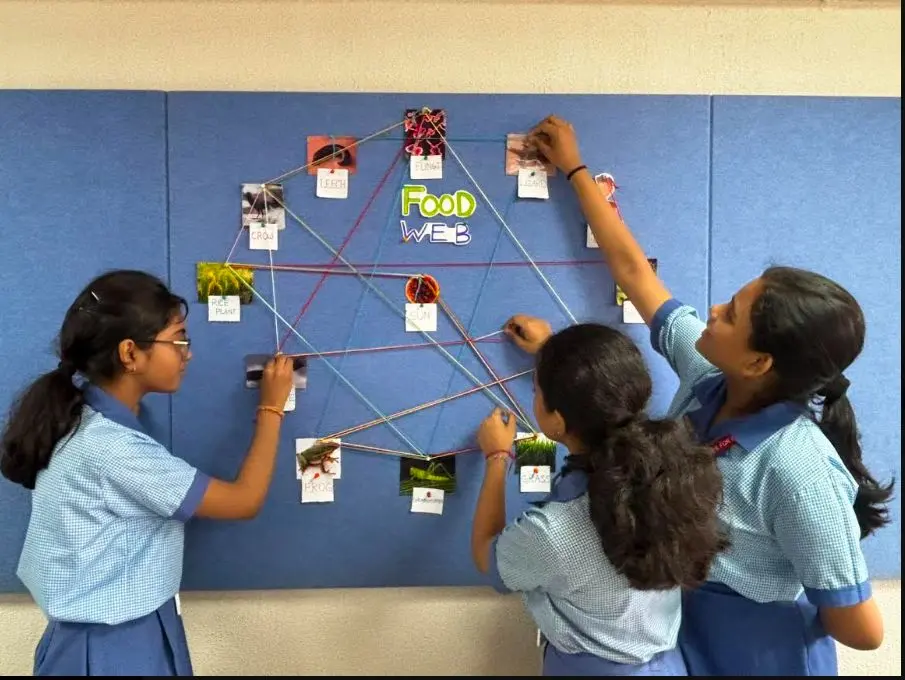
Confidence often develops when children discover abilities that may not show up in written exams. Sports, music, dance, art, public speaking and group projects allow students to explore their interests, express themselves and learn from others.
At G.D. Birla Centre for Education, one of the best ICSE schools in South Kolkata, the educational approach extends beyond academic performance to include behavioural development and cultural values. The school’s emphasis on cognitive, emotional and social development reflects the importance of helping students grow in different areas of life.
• Build a Supportive Relationship Between Teachers and Students
Children become more willing to participate when they feel respected, heard and supported. Thus, patient guidance, constructive feedback and opportunities to ask questions can help students overcome hesitation and recognise their strengths.
G.D. Birla Centre for Education places students at the centre of its educational philosophy, with a stated commitment to ensuring that no child feels ignored or discriminated against. Our approach combines academic priorities with behavioural development and cultural values, creating a foundation for a more inclusive learning experience.
• Teach Children to Recognise Their Progress
Young learners may focus so much on what they have yet to achieve that they overlook how far they have come. Regular reflection can help them recognise improvements, understand their strengths and identify areas that need more practice.
Parents and teachers can encourage children to maintain a simple progress journal, review completed work or discuss one thing they learned each day. Over time, these habits can help students connect effort with improvement and develop a more realistic belief in their abilities.
How Schools Help Confidence Flourish
Building confidence requires a shared effort from children, parents and educators. Schools play a particularly important role because they provide daily opportunities to solve problems, work in teams, communicate ideas and take responsibility.
At G.D. Birla Centre for Education, the emphasis on academic learning, personal development and cultural values supports a broader vision of education. The school’s commitment to a safe and stimulating environment, alongside its focus on individual student growth, reflects the importance of helping young learners discover their potential.
The Closing Thoughts
The journey from “I can’t” to “I can” begins when children receive the encouragement, guidance and opportunities they need to believe in their ability to improve. By celebrating effort, welcoming mistakes, setting achievable goals and exploring different interests, adults can help young learners develop confidence that extends beyond the classroom.
G.D. Birla Centre for Education believes in nurturing students through academic excellence, behavioural development and cultural values. So, connect with us for Class 6 admission in ICSE schools in Kolkata and discover an educational environment that encourages young minds to embrace challenges, recognise their strengths and grow into confident, capable individuals.