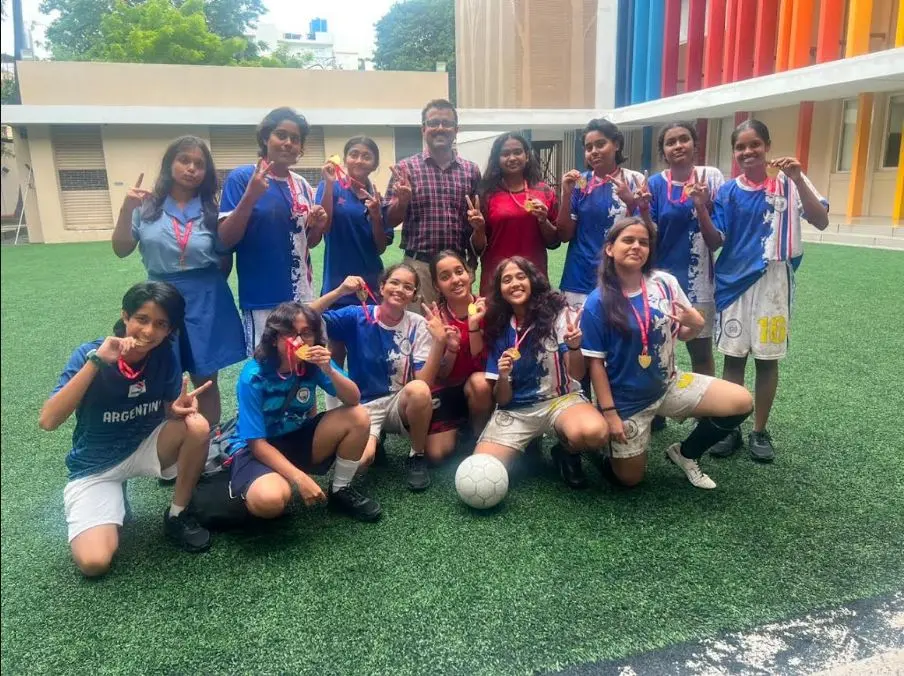
A child who solves a difficult Maths problem, reads a complete page without help, or speaks confidently in front of classmates experiences something more valuable than a moment of success. Each small achievement can strengthen the belief that learning is possible, even when a task feels challenging. Over time, these experiences can encourage children to participate more actively, take on new challenges and develop a positive attitude towards learning.
Research also supports the importance of this connection. According to the Education Endowment Foundation (EEF), effective feedback can help students make an additional six months of academic progress, based on its synthesis of educational research. The EEF notes that useful feedback helps learners understand their progress and identify what they need to do next.
This blog explores how small wins build children’s confidence, why repeated progress can strengthen learning habits, and how G.D. Birla Centre for Education supports students through an educational approach that values academic growth, individual strengths and holistic development.
Understanding the Confidence Loop in Child Development
The confidence loop describes a positive cycle in which achievement encourages confidence, confidence supports further effort, and continued effort creates opportunities for more achievement. Although progress may look different for every child, small and meaningful successes can help learners recognise their abilities and approach future challenges with greater determination.
1. Small Wins Make Learning Feel Achievable
Children may lose interest when a task appears too difficult or when they struggle to understand a new concept. Hence, breaking a larger goal into smaller steps can make learning feel manageable while allowing children to recognise their progress.
For example, a student who finds English writing difficult might begin by constructing clear sentences, then move on to organising paragraphs and eventually writing a complete essay. Each step can create an opportunity to practise a skill and build confidence.
At G.D. Birla Centre for Education, the focus on individual attention and a child-oriented approach reflects the importance of recognising students’ different strengths and learning needs.
2. Confidence Encourages Children to Try Again
A successful learning experience can change how children respond to difficulties. Instead of assuming that they cannot solve a problem, they may become more willing to try another method, ask questions or practise until they understand the concept.
This does not mean children should succeed at everything on their first attempt. In fact, learning to handle mistakes is equally important because it teaches them that setbacks can offer useful lessons.
Teachers can support this process by setting realistic goals, offering guidance, and helping students identify the progress they have made, even when they haven’t yet reached the final result.
3. Positive Feedback Makes Progress Visible
Children do not always recognise how much they have improved. Specific feedback helps them understand which actions contributed to their success and how they can improve further.
Instead of simply saying, “Well done,” a teacher might explain, “You checked each step carefully and found the mistake yourself.” This response links success to a useful learning habit the child can repeat.
The EEF recommends feedback that gives learners clear information about their work and helps them identify their next steps. Such guidance can support progress more effectively than general praise alone.
4. Everyday Activities Create Opportunities for Success
Confidence does not develop through examination results alone. Classroom discussions, creative projects, sports, public speaking and group activities can give children different ways to discover their abilities.
At G.D. Birla Centre for Education, one of the best ICSE board schools in Kolkata, students can explore activities such as debate, coding, dance, music, yoga and public speaking. These opportunities allow them to practise skills, discover interests and learn through participation beyond regular classroom lessons.
For instance, a student who feels hesitant during classroom discussions may gradually become more comfortable expressing ideas through a debate or presentation. Such experiences can encourage confidence that carries into other areas of learning.
5. Consistent Effort Turns Confidence into a Habit
One successful experience can feel encouraging, but lasting confidence develops through regular practice and reflection. When children learn to recognise their effort, identify areas for improvement and celebrate genuine progress, they can develop a healthier relationship with learning.
Parents and teachers can support this habit by helping children set achievable goals, reviewing their progress and encouraging them to try again after setbacks. The aim is not to reward every action, but to help children understand the value of persistence, preparation and steady improvement.
This approach also reflects G.D. Birla Centre for Education’s emphasis on academic achievement, behavioural development and cultural values, which together support children’s wider growth.
How Schools Can Nurture Confident Learners
A supportive school environment recognises that every child develops at a different pace. Teachers can encourage progress by setting clear expectations, offering constructive feedback and creating opportunities for students to participate without fear of embarrassment.
At G.D. Birla Centre for Education, the educational philosophy places students at the centre of the learning process while promoting academic growth, emotional development and social skills. By combining classroom learning with co-curricular experiences, the school creates opportunities for students to explore their strengths and work towards meaningful goals.
The Conclusion
Small wins can create lasting changes in how children view themselves as learners. Each completed task, improved skill, and successfully faced challenge can help them develop confidence, persistence and a willingness to explore new possibilities.
At G.D. Birla Centre for Education, a commitment to academic excellence and holistic development supports the journey towards becoming confident, capable and responsible individuals. So, connect with G.D. Birla Centre for Education today for LKG admission in Kolkata and discover an educational environment where every step forward can inspire children to learn, grow and reach their potential.