A child’s first day at school marks the beginning of a new world filled with unfamiliar faces, exciting discoveries, and opportunities to grow. Yet, preparing for this important milestone involves much more than memorising letters, recognising numbers, or reciting nursery rhymes. True school readiness begins when children develop the confidence, curiosity, and everyday skills they need to explore this new environment.
According to UNICEF, a child’s brain reaches about 90% of its adult size by age five. This highlights the importance of early experiences in shaping children’s learning and development. Supportive relationships, play, and age-appropriate learning activities can help build a strong foundation for future growth.
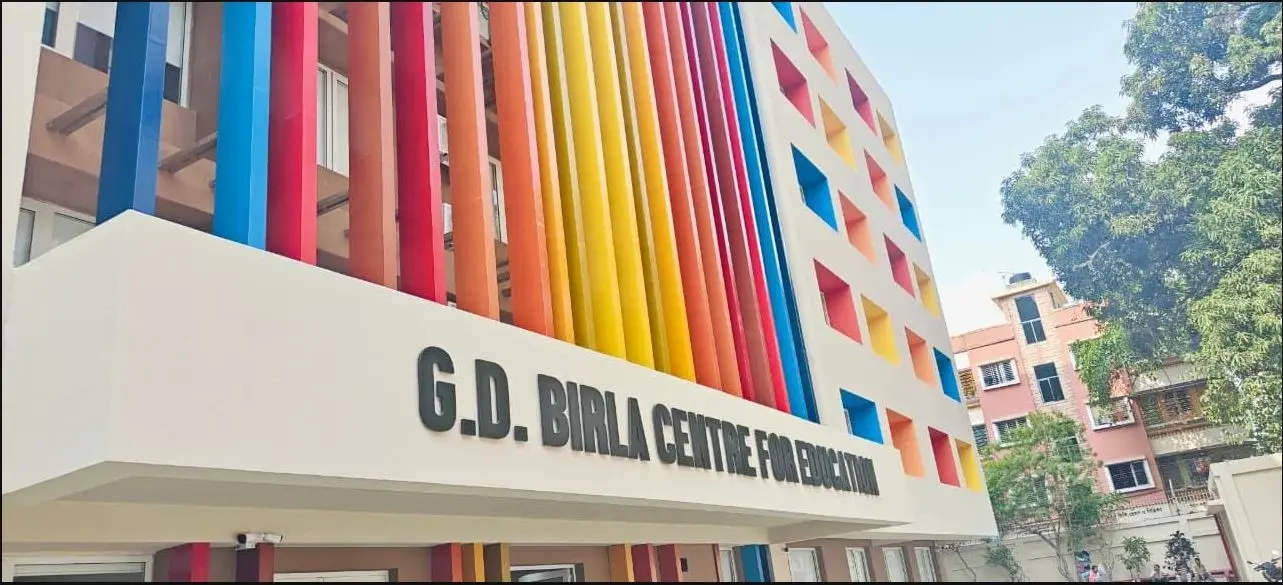
At G.D. Birla Centre for Education, a top school in Kolkata, early education focuses on making learning engaging through play, activities, and exploration. This approach recognises that children need opportunities to develop different abilities before they enter formal schooling.
This blog highlights six essential skills that make a child school-ready, helping parents understand how to prepare their little ones for a confident and enjoyable start to school life.
What Makes a Child Truly School-Ready?
Here are key factors that contribute to a child’s school readiness.
1. Emotional Confidence: Feeling Safe in a New Environment
A child may know the alphabet but still feel anxious when separated from parents or placed in an unfamiliar classroom. Emotional readiness helps children manage these feelings and gradually adjust to new routines.
Parents can prepare children by encouraging short periods of independence, talking positively about school, and helping them express their feelings. Teachers also play an important role by creating a welcoming environment where children feel safe asking questions and seeking help.
At G.D. Birla Centre for Education, a child-centred approach and individual attention support children’s personal growth alongside academic learning.
2. Social Skills: Learning to Share and Cooperate
School introduces children to group activities, friendships, and shared responsibilities. They need to learn how to take turns, listen to others, share resources, and cooperate during play.
Parents can encourage these skills through simple activities at home, such as board games, group play, or storytelling with siblings. These experiences can teach children that other people have feelings, ideas, and needs that deserve respect.
G.D. Birla Centre for Education values teamwork, empathy, respect, and community service. These values reflect the importance of helping children develop healthy relationships and become considerate members of a community.
3. Communication Skills: Expressing Needs and Ideas
Children don’t need perfect grammar or an extensive vocabulary to start school. However, they should gradually learn to communicate basic needs, understand simple instructions, and express their thoughts.
Parents can support language development by reading picture books aloud, asking open-ended questions, and encouraging children to describe their daily experiences. Listening patiently also helps children gain confidence in expressing themselves.
At G.D. Birla Centre for Education, early learning combines language development with interactive activities that encourage children to participate, explore, and communicate.
4. Independence: Managing Small Daily Tasks
Simple everyday tasks can make a significant difference to a child’s school experience. Using the washroom, eating independently, keeping belongings organised, and asking for help are useful skills that build confidence.
Hence, parents should allow children to practise these activities at their own pace instead of completing every task for them. Gentle guidance can help children develop responsibility without feeling pressured to perform perfectly.
Remember, independence does not mean doing everything alone. It also means recognising when they need help and feeling comfortable asking for it.
5. Curiosity and Problem-Solving: Learning Beyond Books
School readiness also involves the ability to explore, notice patterns, ask questions, and try different solutions. Children develop these abilities when adults encourage discovery instead of expecting them to memorise every answer.
Building blocks, puzzles, drawing, sorting objects, and imaginative play can strengthen early thinking skills. These activities also help children practise patience and learn from mistakes.
G.D. Birla Centre for Education incorporates puzzles, logical thinking, problem-solving, and inquiry-based learning into its pre-primary curriculum, making learning interactive and age-appropriate.
6. Physical Readiness: Developing Coordination through Play
Physical development is another important part of preparing for school. Children use fine motor skills to hold crayons, turn pages, and handle classroom materials. Gross motor skills help them run, jump, balance, and participate in outdoor activities.
Drawing, colouring, playing with clay, dancing, and outdoor games provide enjoyable ways to develop these abilities. Hence, parents should focus on regular practice and enjoyment instead of expecting perfect handwriting or athletic performance.
At G.D. Birla Centre for Education, indoor and outdoor play, craft, drawing, painting, music, and movement form part of the pre-primary learning experience.
How Parents Can Make the Transition Easier
Preparing a child for school should feel like a positive journey, not an examination. Parents can establish simple daily routines, encourage conversations, arrange playtime with other children, and introduce school-related activities through stories and games.
Most importantly, avoid comparing your child’s progress with that of other children. Every child develops at a different pace, and some may need more time to feel comfortable with new experiences.
The Conclusion
A school-ready child is not simply one who knows the alphabet or can count from one to ten. School readiness includes emotional confidence, social awareness, communication, independence, curiosity, and physical development. When these abilities grow together, children can approach their first school experiences with greater confidence and enthusiasm.
At G.D. Birla Centre for Education, early learning combines play-based activities, inquiry, and individual attention to nurture children’s developing abilities. For parents seeking a supportive English-medium primary school in South Kolkata, G.D. Birla Centre for Education offers an approach that values both foundational learning and holistic development. Explore the school’s pre-primary programme and take the first step towards building a meaningful educational journey for your child.